Buyer's Guides › Multi-Engine Piston
How to Buy a Piper PA-30 Twin Comanche: Buyer's Guide
An efficient, fast light twin that burns little fuel but needs a careful pre-buy and real multi-engine proficiency.
Updated October 2026 · Market data from 5 live fyiAero listings, the FAA registry and NTSB records
Overview
The Piper PA-30 Twin Comanche is one of the most efficient piston twins ever built. Two four-cylinder, fuel-injected Lycomings, a slick laminar-flow wing, and a light airframe give it single-engine-like fuel burn with the redundancy of a second engine. Piper built it through the 1960s, then followed with the counter-rotating PA-39 Twin Comanche C/R. Production ended when Piper's Lock Haven factory flooded in 1972 and the company moved on to the Seneca.
The FAA registry shows 871 PA-30 family aircraft on the U.S. register, but the market at any one time is thin. When we pulled this report, fyiAero listings showed just five for sale, with model years from 1964 to 1969. Asking prices ran from $12,500 to $249,500, with a median of $140,000. The median airframe time among listed aircraft was 5,265 hours, so expect a well-used airplane whose value rests on engines, avionics, corrosion status, and paperwork more than on the year.
Every Twin Comanche is now well over 50 years old, and none of them is a cheap airplane to own. The good ones are excellent cross-country machines. The tired ones can swallow an engine overhaul budget, or two, before the first annual is done. Shop carefully, budget honestly, and buy the best airplane you can afford.
Who it's for. The Twin Comanche suits a pilot who wants twin-engine redundancy for night, IFR, mountain, or over-water trips at a fuel burn close to a high-performance single's. It carries four adults comfortably. Some have optional fifth and sixth seats, but useful load and cabin size make it a practical two-to-four-person airplane. It is also a popular step up for a newly multi-rated pilot building twin time. That is exactly where insurance gets tight. Underwriters typically want a multi-engine rating, meaningful multi time, retractable experience, and recurrent training from an instructor who knows the type. Low-time multi pilots should expect higher premiums, required dual instruction, and sometimes a minimum-hours restriction before solo or passenger flights. Get insurance quotes before you make an offer.
Generations and variants
| Version | Years | What changed |
|---|---|---|
| PA-30 (early) | 1963-1965 | The original Twin Comanche, with two 160 hp Lycoming IO-320 engines, a four-seat cabin, and Comanche-style electric retractable gear. These are usually the lowest-priced examples, though condition and engine time matter far more than year. |
| PA-30B | 1966-1967 | Refinements included optional fifth and sixth seats, improved panel and cabin details, and the option of factory turbocharging on some aircraft. Clean B models with good engines and updated avionics sit near the middle-to-upper end of the market. |
| PA-30C | 1968-1969 | The last of the PA-30s, with further panel and interior updates and some of the most refined standard equipment. Late C models tend to command the strongest prices when engines and avionics are comparable. |
| Turbo Twin Comanche (PA-30 with turbocharging) | 1966-1969 | Turbonormalized versions trade higher maintenance and inspection demands for much better high-altitude and hot-day performance. Value depends heavily on the condition and documentation of the turbo system and engines. |
| PA-39 Twin Comanche C/R | 1970-1972 | Counter-rotating engines remove the critical-engine problem and improve single-engine handling, and tip tanks were common. Pricing is often at or above late PA-30s, but some engine and propeller parts are unique and can cost more. |
What a Piper PA-30 Twin Comanche costs to buy
4 priced listings on fyiAero right now ask between $12,500 and $249,500, with a median of $140,000 and a median of 5,265 hours total time.
- Expect a very thin market. fyiAero listings showed only five Twin Comanches for sale against a U.S. fleet of 871, so be ready to travel and act quickly on a good one.
- Ignore the low end of the price range as a benchmark. The $12,500 asking price on a 1964 example in fyiAero listings almost certainly reflects a project or run-out airplane, while 1966 examples averaged $172,250 and a 1969 asked $185,000.
- Price the engines first. With a median of $140,000 and a high of $249,500 in current listings, the gap between a run-out pair and a fresh pair, plus propellers, can equal much of the airplane's value.
- High airframe time is normal for this type, with a listed median of 5,265 hours. Focus on corrosion, gear condition, and maintenance history rather than on the total-time number.
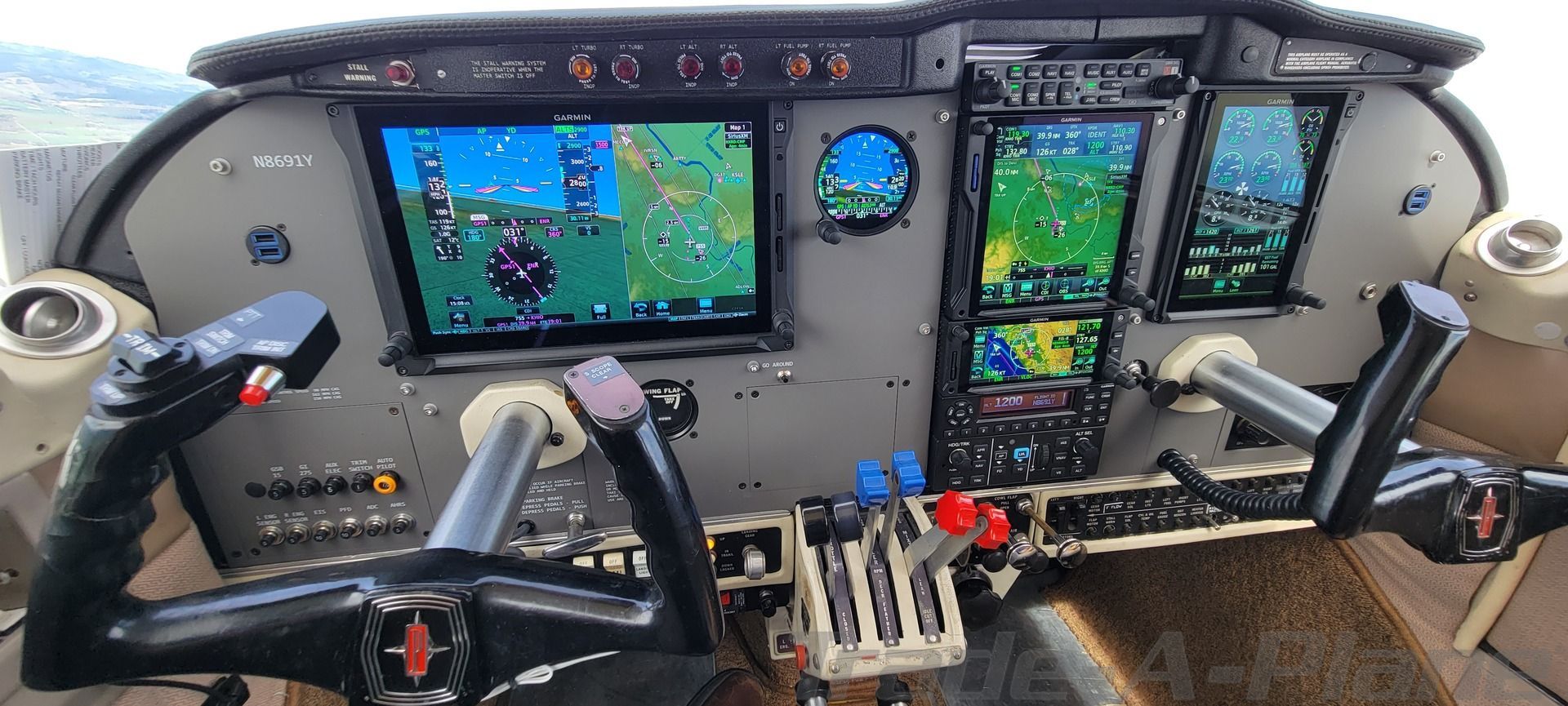
- Modern avionics and a working autopilot add real value and are expensive to retrofit. Compare panels line by line and get installation quotes for anything you plan to add.
- Look for a complete logbook history, ideally maintained by a shop familiar with Comanches. Missing records or long periods of inactivity should lower your offer significantly.
Average asking price by model year
Pre-buy inspection checklist
Have a shop that knows the type do the pre-buy, and ask them to research every applicable AD and service bulletin. Pay particular attention to:
- Landing gear system (motor, transmission, push-pull tubes, bungees, down-locks). The Comanche-style electric gear relies on a gearbox and linkages that wear and need precise rigging. Worn parts or poor rigging can lead to gear collapse, and parts can be costly.
- Stabilator and its attach points, trim system, and balance weight. The all-moving stabilator has a history of airworthiness actions involving attach fittings and controls. Have the shop research all applicable ADs and confirm compliance in the logbooks.
- Wing spars, carry-through, and attach fittings. These airframes are more than 50 years old. Corrosion or cracking in primary structure can ground the airplane or make it uneconomical to fix.
- Fuel bladders, tip tanks (if installed), selector valves, and fuel lines. Aging bladder cells crack and leak, and the multi-tank fuel system must work correctly to avoid fuel-related engine failure. Ask whether the seller has demonstrated the system on every tank.
- Engine borescope, compression, and oil analysis on both engines. Both IO-320s must be healthy, and a twin doubles the cost of a bad cylinder or an overhaul. Check time since overhaul, calendar time, and how often the airplane has actually flown.
- Turbocharger system on turbo aircraft. Turbo controls, exhaust, and wastegates need careful inspection. Exhaust leaks near turbo components are a fire risk, and overhauls add up quickly.
- Exhaust systems and engine mounts. Cracked exhaust stacks or mufflers can cause carbon monoxide exposure or fire. Rusted or cracked mounts on an airframe this old need close inspection.
- Combustion cabin heater. Gas-fired cabin heaters carry recurring inspection requirements and present carbon monoxide and fire risks. Verify that inspections and pressure tests are current.
- Propellers, governors, and feathering function. Reliable feathering is critical to single-engine survival. Check propeller overhaul status and AD compliance, and demonstrate feathering if conditions allow.
- Logbook and AD research, including 337s for STCs. Decades of modifications, avionics swaps, and speed mods should be properly documented. Unapproved or undocumented alterations can affect insurability and resale.
Popular upgrades
- Modern avionics and GPS/ADS-B. An IFR-certified GPS navigator, ADS-B, and modern displays add real resale value and make the airplane far more useful for serious IFR travel.
- Autopilot upgrade or overhaul. Many original autopilots are tired or inoperative. A reliable autopilot is close to a must for single-pilot IFR in a twin and is reflected in asking prices.
- Engine monitors on both engines. Multi-probe engine monitors help with lean-of-peak operation, early problem detection, and troubleshooting, and buyers increasingly expect them.
- Vortex generator kits. Some STC'd vortex generator kits can improve low-speed and single-engine handling. Buyers often see them as a safety plus, though they add modest value.
- Tip tanks. Extra fuel capacity extends the airplane's legs significantly and is a desirable option, but tip tanks need inspection for leaks and proper installation.
- Aerodynamic speed mods and gap seals. Fairings, seals, and similar mods can add a few knots. Buyers value them modestly unless they are well documented and the work is clean.
Ownership costs
For planning, fyiAero estimates variable operating cost at about $147 per hour, built on a fuel burn of roughly 17.2 gallons per hour at a 169-knot cruise. That works out to about $0.87 per nautical mile, with range of around 770 nautical miles. At 95 hours per year, the estimated all-in annual budget is about $25,320, against an average pre-owned value of roughly $152,022. That makes the Twin Comanche one of the cheapest twins per mile to fly, but remember that everything comes in pairs: two engines, two propellers, two sets of cylinders, and two overhaul reserves. Annual inspections on a 1960s retractable twin can turn up costly airframe, gear, and corrosion work, and insurance can be expensive for low-time multi pilots. Keep a healthy reserve fund beyond the budget estimate.
Safety record
NTSB records show 41 accidents in the PA-30 family over the last 10 years, 10 of them fatal and 6 involving a destroyed aircraft. That works out to about 47.1 accidents and 11.5 fatal accidents per 1,000 U.S.-registered aircraft over 10 years. These figures reflect an aging fleet, often flown by pilots relatively new to twins, rather than a design that is inherently unsafe. The type-specific risks are well understood. On the PA-30, single-engine minimum control speed sits close to stall speed, so an engine failure at low speed can quickly lead to loss of control. Twin Comanche single-engine climb is also modest, especially at high density altitude or heavy weight. Gear-related mishaps and fuel management errors also appear in the record. The best risk control is initial and recurrent training with an instructor who knows the type, disciplined engine-out procedures, conservative weight and density-altitude planning, and thorough knowledge of the fuel system.
Alternatives to consider
- Beechcraft 95 Travel Air. A similar four-cylinder twin concept with a roomier, more solid feel. It is a bit slower and less efficient, with a different parts and maintenance picture.
- Piper PA-34 Seneca. Newer, roomier, and better suited to six seats and heavier loads, with gentler handling. It burns more fuel and costs more to buy and maintain.
- Beechcraft Baron 55. Faster, stronger single-engine performance, and a more premium cabin. Purchase price, fuel burn, and six-cylinder maintenance costs are significantly higher.
- Cessna 310. More power, more payload, and better single-engine performance. It is thirstier and more expensive to maintain, with its own aging-airframe issues.
- Piper PA-24 Comanche (single). Similar speed and handling with lower costs and simpler insurance. You give up engine redundancy for night, IFR, and over-water flying.
Frequently asked questions
How much does a Piper Twin Comanche cost?
In recent fyiAero listings, asking prices ranged from $12,500 to $249,500, with a median of $140,000. The low end likely reflects a project airplane, while 1966 examples averaged about $172,250 and a 1969 was asking $185,000.
How many Twin Comanches are still flying?
The FAA registry shows 871 PA-30 family aircraft on the U.S. register. Only a handful are for sale at any time, with five listed on fyiAero when this report was compiled.
What are the operating costs of a Twin Comanche?
fyiAero estimates variable costs of about $147 per hour and an annual budget of roughly $25,320 at 95 hours per year. Fuel burn runs about 17.2 gallons per hour, or about $0.87 per nautical mile.
How fast is a Twin Comanche and how far can it go?
fyiAero's operating estimate uses a cruise speed of about 169 knots and a range of around 770 nautical miles. Actual numbers depend on power setting, altitude, load, and whether tip tanks are installed.
Is the Twin Comanche a good first twin?
It is efficient and fun, but its low single-engine margins and closeness of minimum control speed to stall speed reward precise flying. It can work well as a first twin if you commit to thorough initial and recurrent training with an instructor who knows the type, and if insurance terms are acceptable.
What is the difference between the PA-30 and the PA-39 C/R?
The PA-39 Twin Comanche C/R uses counter-rotating propellers, which eliminates the critical engine and improves single-engine handling. It was built after the PA-30, and some of its engine and propeller parts are unique to the model.
Piper PA-30 Twin Comanche for sale
 📷 17
 📷 5
 📷 21
 📷 7
Prices, fleet and safety figures update automatically from fyiAero listings, the FAA aircraft registry and NTSB data. The editorial was written by fyiAero with AI assistance from that data and general type knowledge. It is not a substitute for a pre-buy inspection, title search or professional advice.
