
 1 / 18 · 🔍 click to zoom
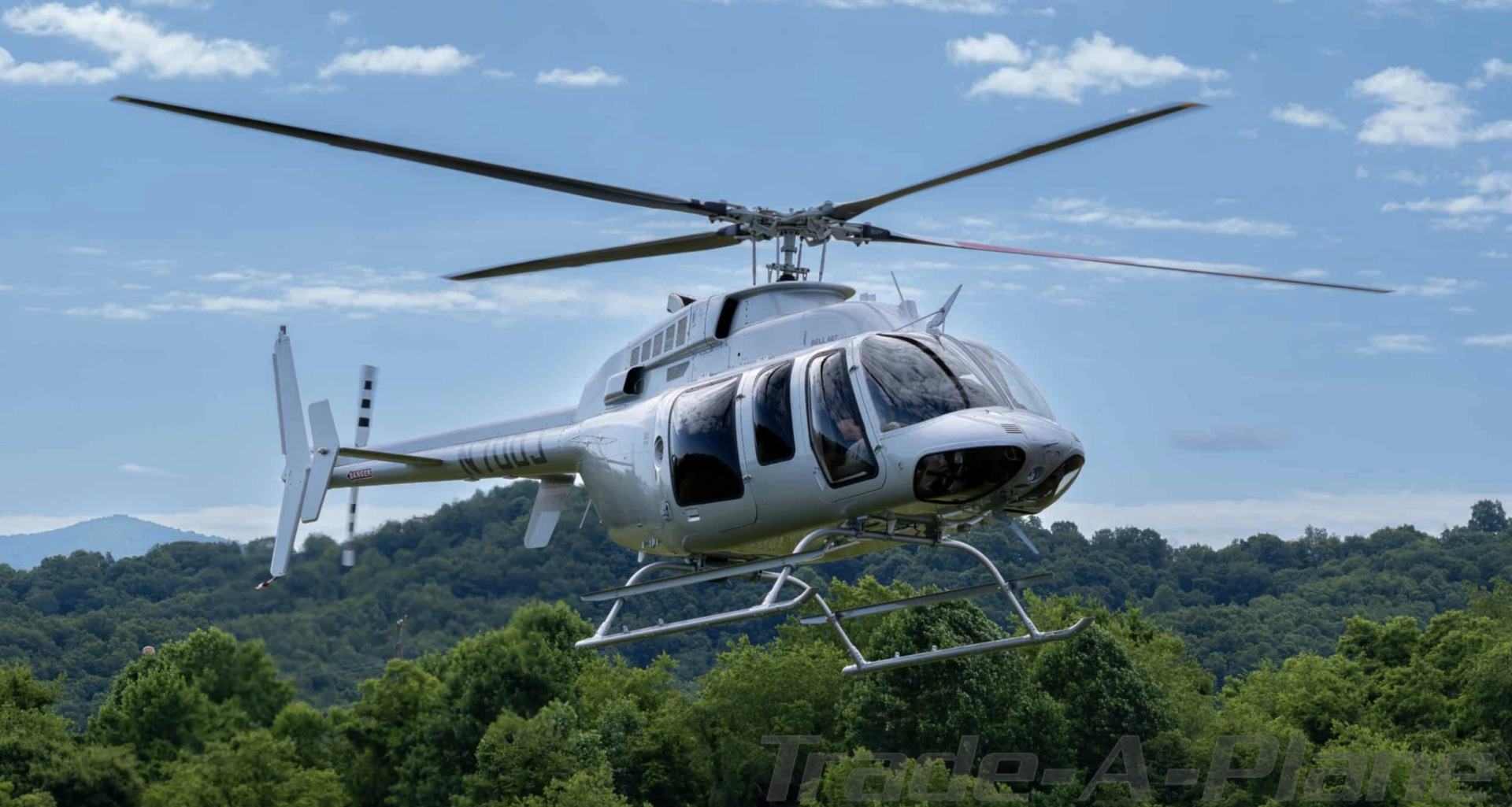
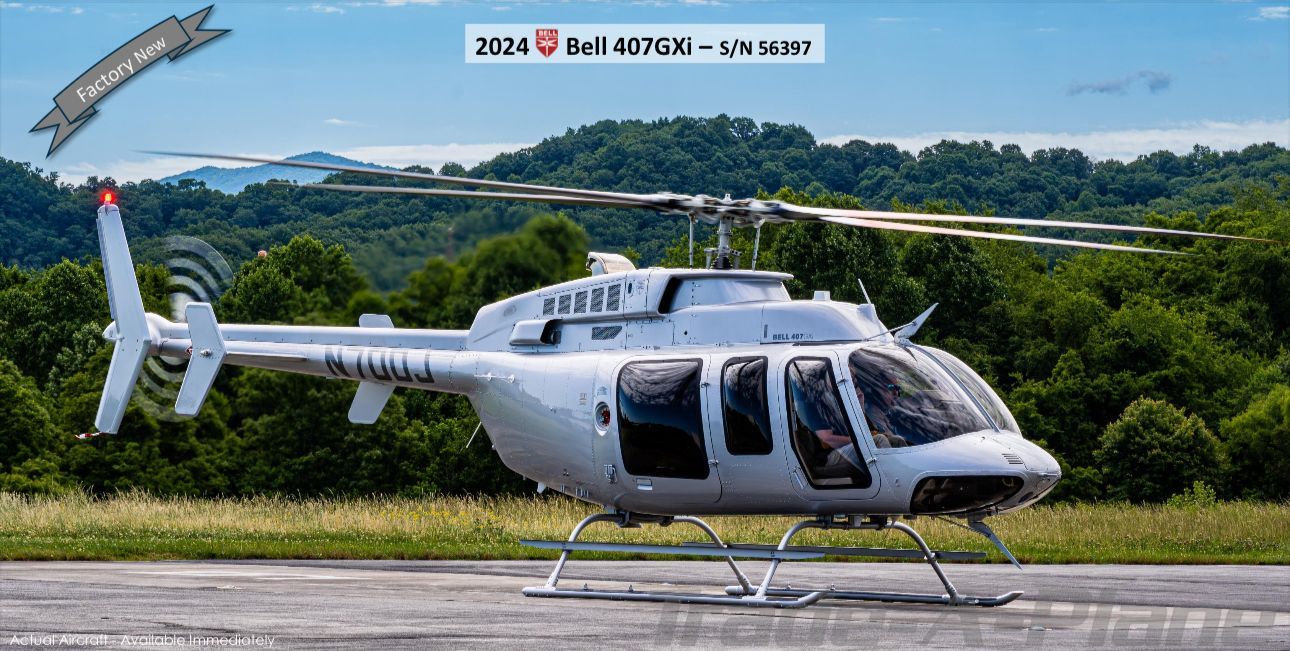
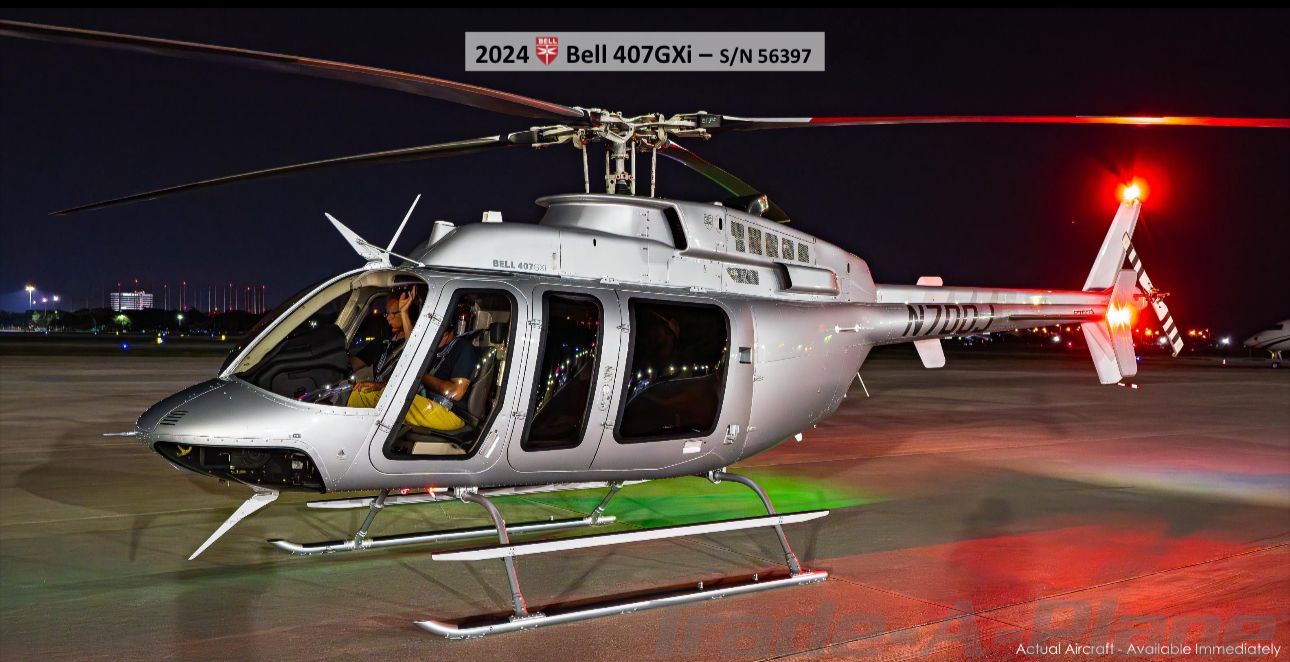
2024 BELL 407 GXI Turbine Helicopters
Starts from the median asking price of 4 comparable Bell 407 series listings ($3,190,000), then adjusts for:
- Year +7 vs comparable listings +10.5%
- Airframe time -7,656 hr vs comps +15.0%
- Autopilot (25% of comps) +12.0%
- ADS-B (50% of comps) +8.0%
- Market supply: 5 for sale of 190 FAA-registered +2.8%
Shown as a range. An estimate from asking-price comparables and FAA supply data — not an appraisal.
Overview
| Make / Model | Bell 407 GXI Turbine Helicopters |
|---|---|
| Type | Helicopter |
| Airframe time | 215 hrs |
| Engine time | 215 |
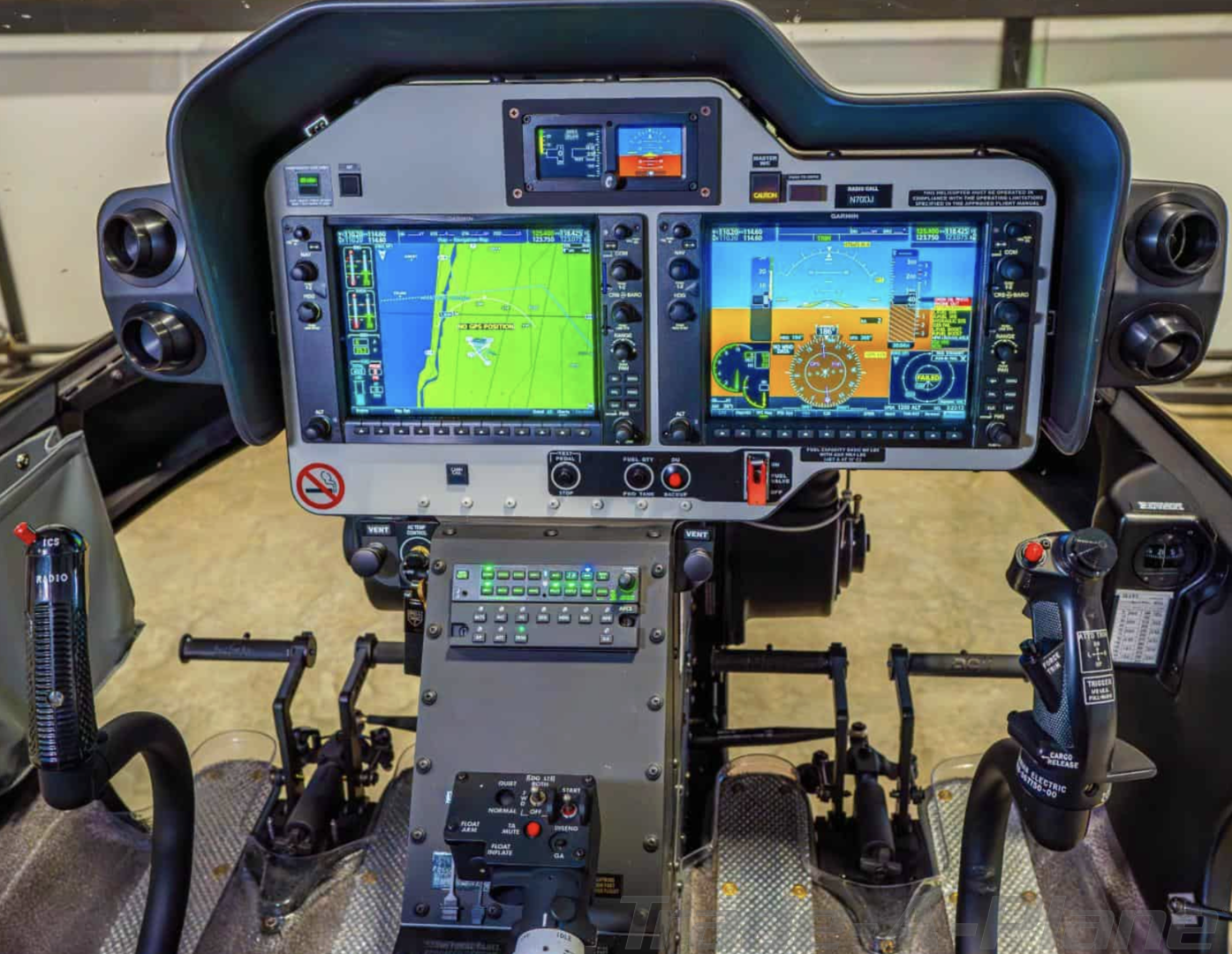
| Avionics / Primary flight display | ASA G1000 |
Engines & propellers
Airframe
- Total time
- 215 hrs
Decoded from the seller's description — verify against logbooks.
Description
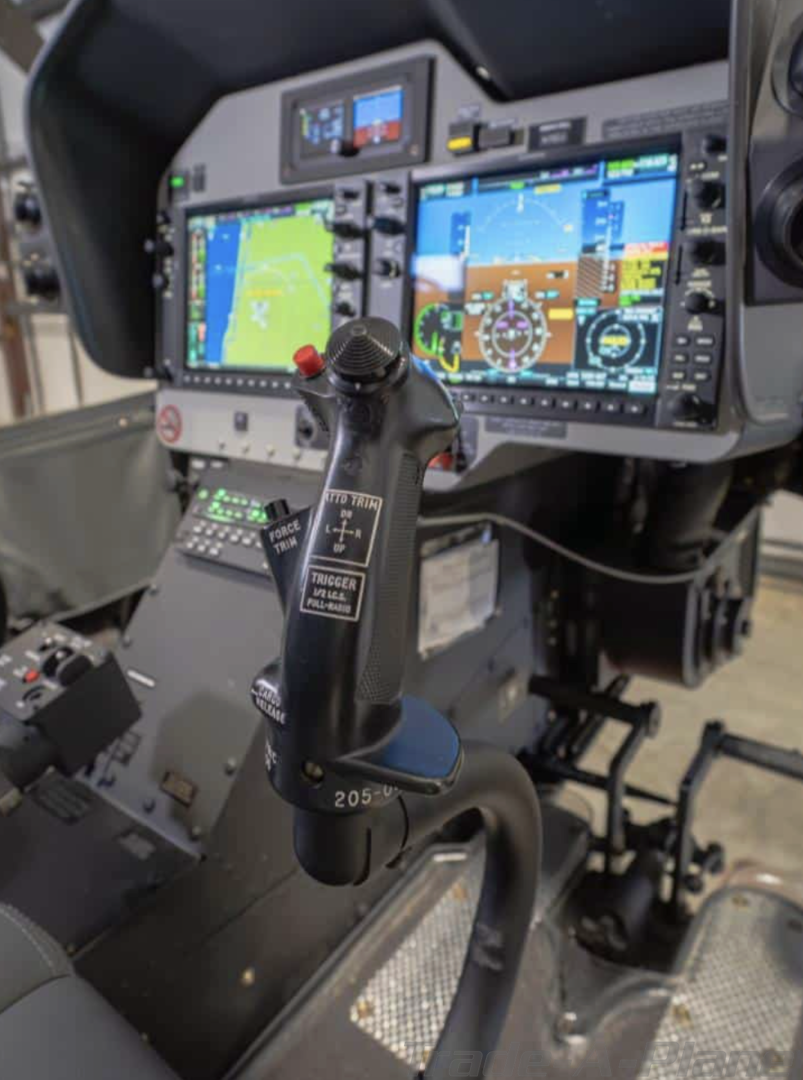
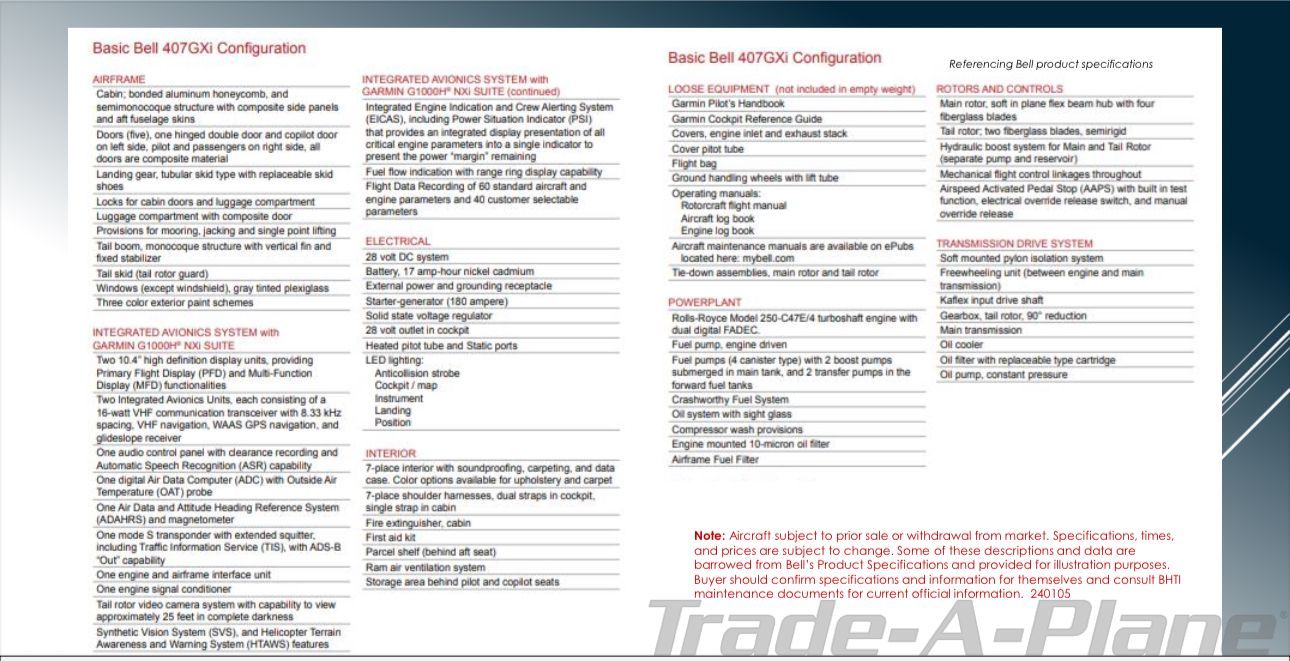
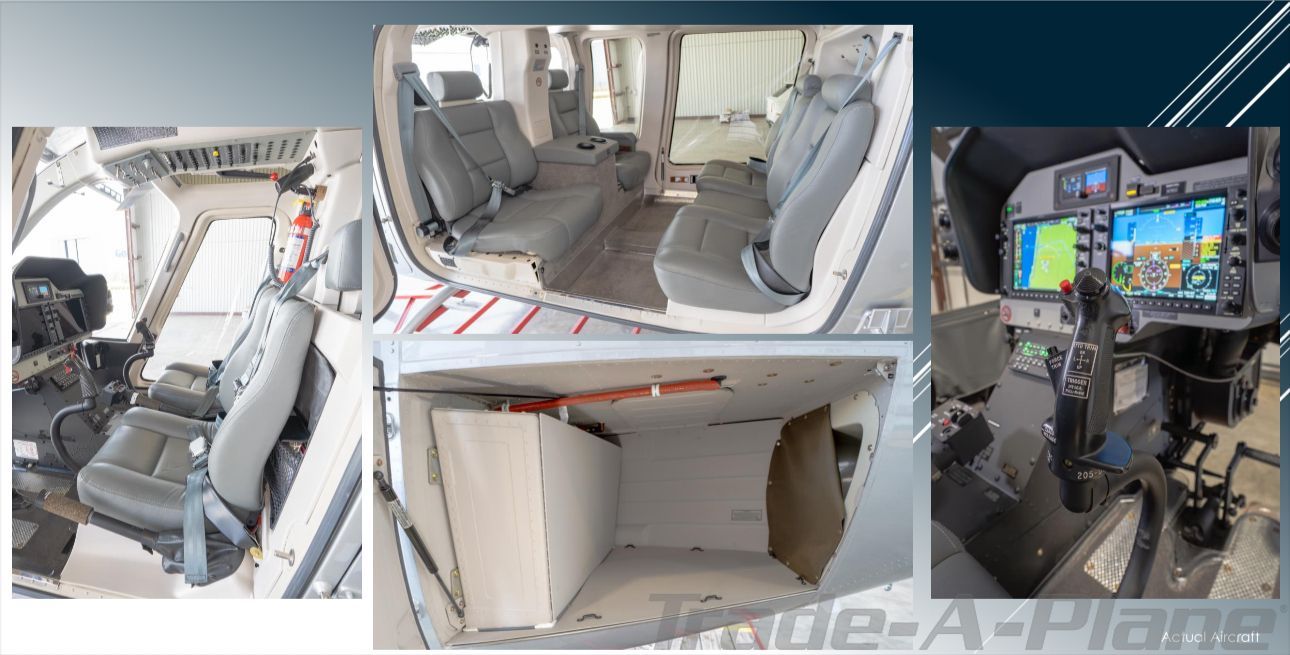
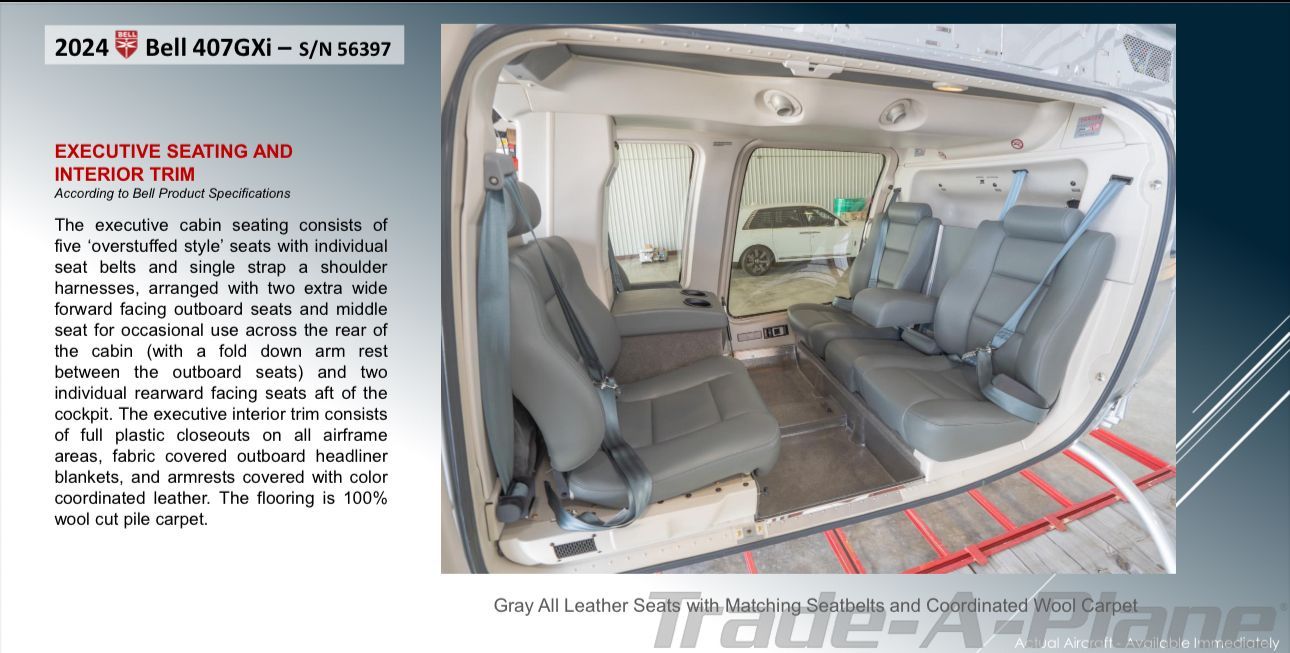
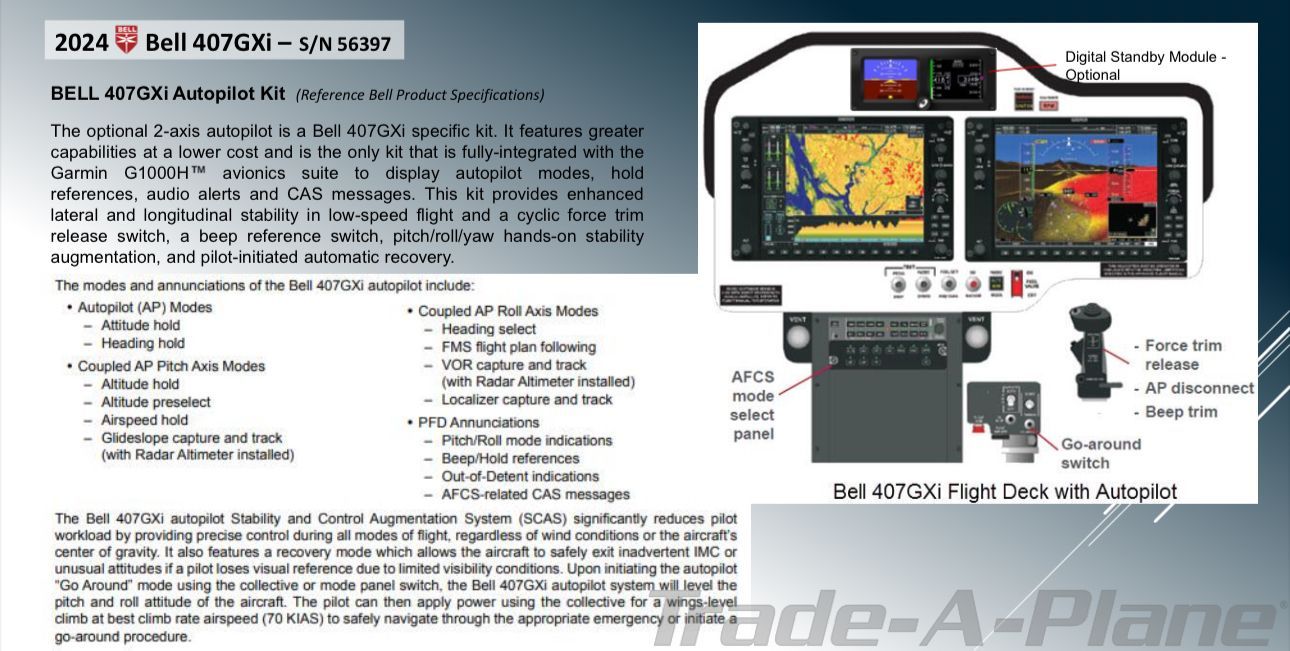
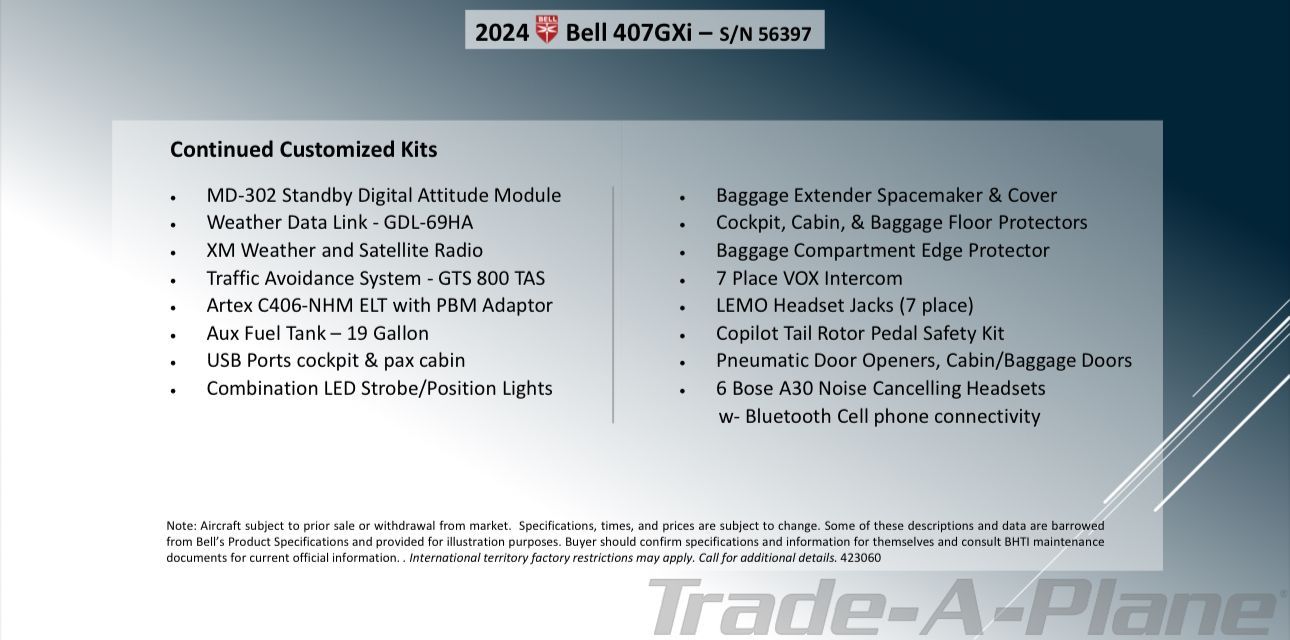
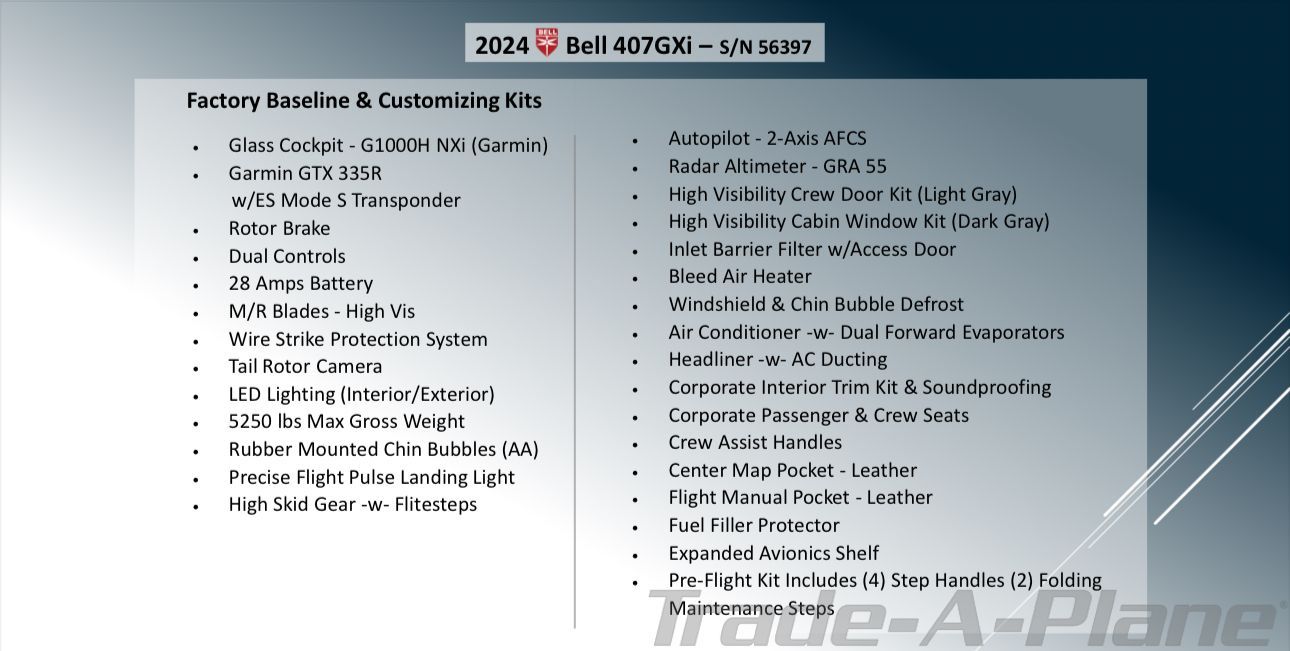
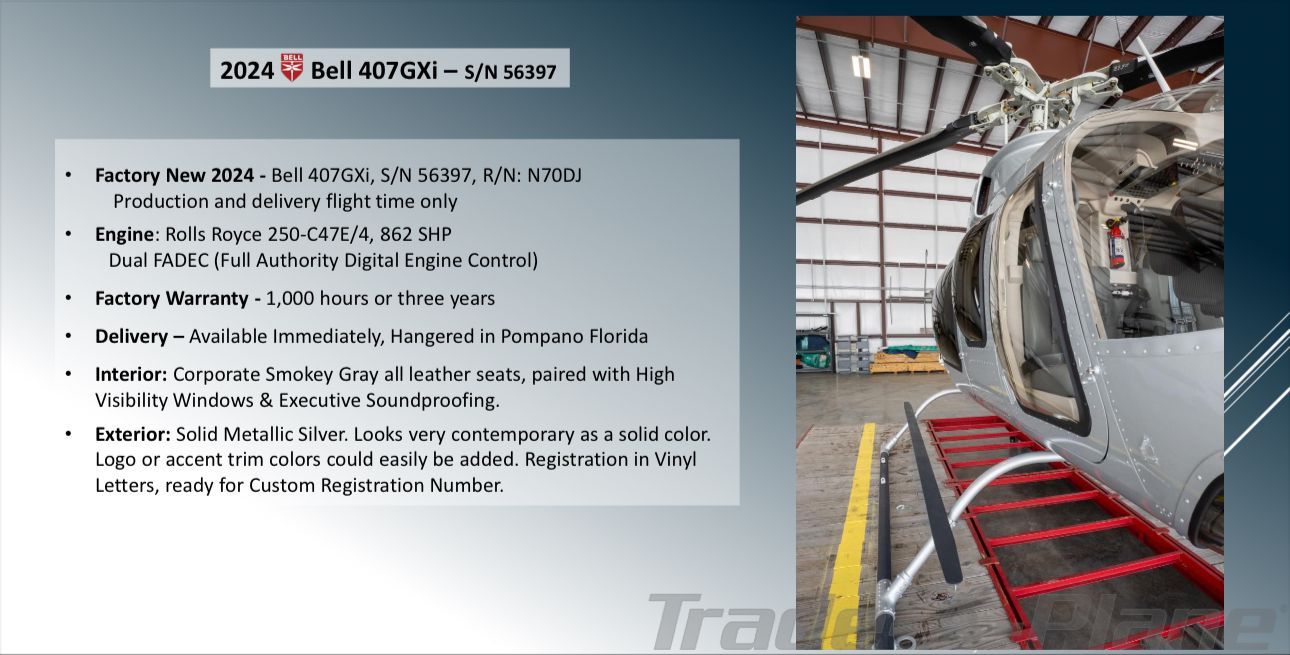
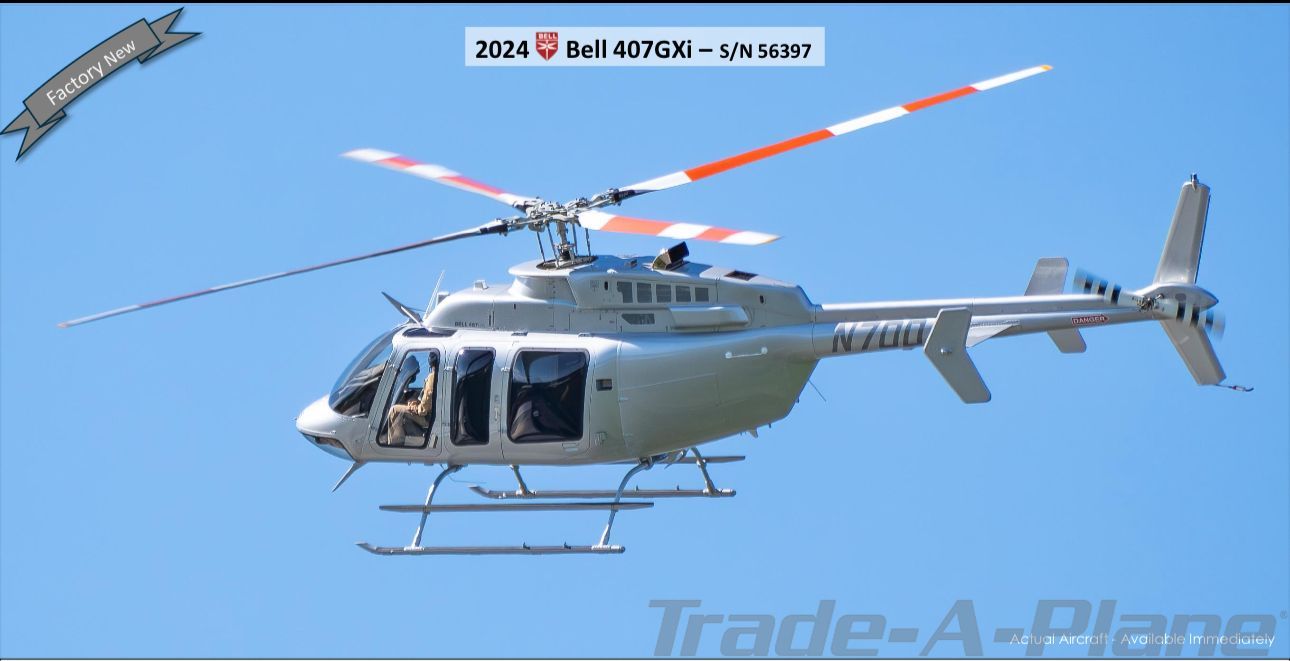
Detailed Description Fresh 24 month inspection to be completed July 1st 2026. TT 215 HOURS. The optional 2-axis autopilot is a Bell 407GXi specific kit. It features greater capabilities at a lower cost and is the only kit that is fully-integrated with the Garmin G1000H™ avionics suite to display autopilot modes, hold references, audio alerts and CAS messages. This kit provides enhanced lateral and longitudinal stability in low-speed flight and a cyclic force trim release switch, a beep reference switch, pitch/roll/yaw hands-on stability augmentation, and pilot-initiated automatic recovery. The modes and annunciations of the Bell 407GXi autopilot include: * Autopilot (AP) Modes - Attitude hold - Heading hold • Coupled AP Roll Axis Modes - Altitude hold - Altitude preselect - Airspeed hold - Glideslope capture and track (with Radar Altimeter installed) • Coupled AP Pitch Axis Modes - Heading select - FMS flight plan following - VOR capture and track (with Radar Altimeter installed) - Localizer capture and track • PFD Annunciations - Pitch/Roll mode indications - Beep/Hold references - Out-of-Detent indications - AFCS-related CAS messages The Bell 407GXi autopilot Stability and Control Augmentation System (SCAS) significantly reduces pilot workload by providing precise control during all modes of flight, regardless of wind conditions or the aircraft's center of gravity. It also features a recovery mode which allows the aircraft to safely exit inadvertent IMC or unusual attitudes if a pilot loses visual reference due to limited visibility conditions. Upon initiating the autopilot "Go Around" mode using the collective or mode panel switch, the Bell 407GXi autopilot system will level the pitch and roll attitude of the aircraft. The pilot can then apply power using the collective for a wings-level climb at best climb rate airspeed (70 KIAS) to safely navigate through the appropriate emergency or initiate a go-around procedure. Cabin; bonded aluminum honeycomb, and semimonocoque structure with composite side panels and aft fuselage skins Doors (five), one hinged double door and copilot door on left side, pilot and passengers on right side, all doors are composite material. Landing gear, tubular skid type with replaceable skid shoes. Locks for cabin doors and luggage compartment Luggage compartment with composite door Provisions for mooring, jacking and single point lifting Tail boom, monocoque structure with vertical fin and fixed stabilizer Tail skid (tail rotor guard) Windows (except windshield), gray tinted plexiglass Three color exterior paint schemes
Modifications
Powered by the Rolls-Royce M250-C47E/4 engine
Avionics
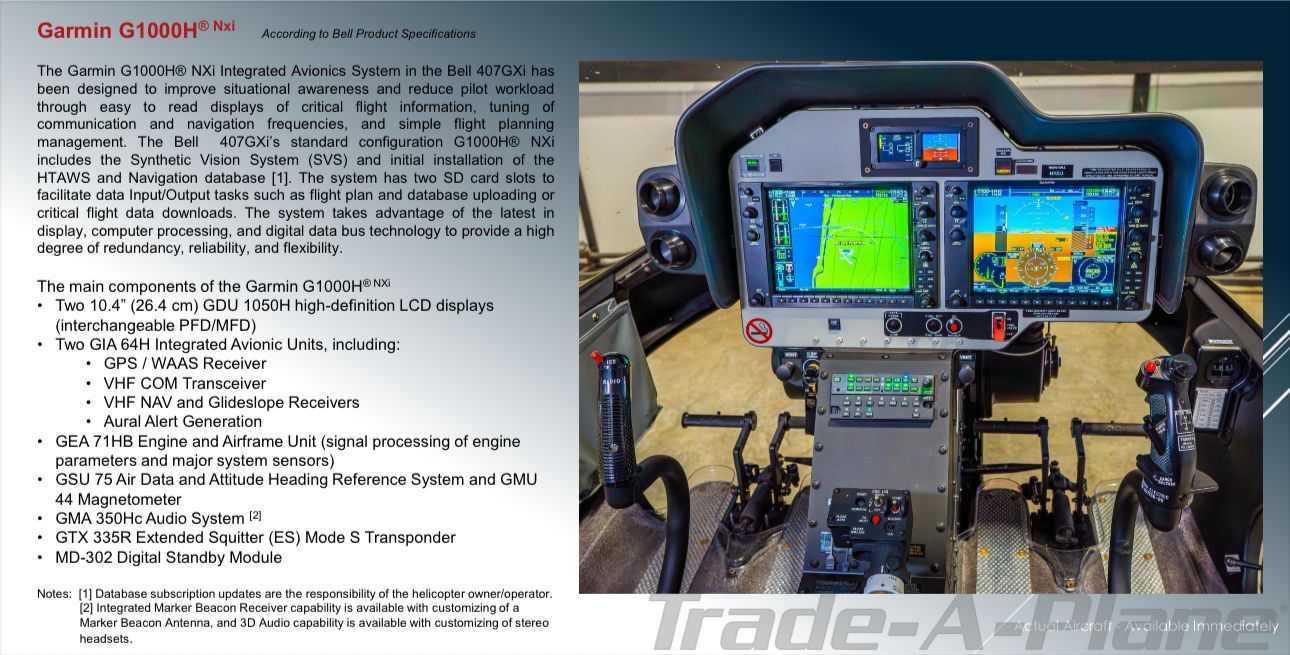
Two 10.4" high definition display units, providing Primary Flight Display (PFD) and Multi-Function Display (MFD) functionalities Two Integrated Avionics Units, each consisting of a 16-watt VHF communication transceiver with 8.33 kHz spacing, VHF navigation, WAAS GPS navigation, and glideslope receiver One audio control panel with clearance recording and Automatic Speech Recognition (ASR) capability One digital Air Data Computer (ADC) with Outside Air Temperature (OAT) probe One Air Data and Attitude Heading Reference System (ADAHRS) and magnetometer One mode S transponder with extended squitter, including Traffic Information Service (TIS), with ADS-B "Out" capability One engine and airframe interface unit One engine signal conditioner Tail rotor video camera system with capability to view approximately 25 feet in complete darkness Synthetic Vision System (SVS), and Helicopter Terrain Awareness and Warning System (HTAWS) features Integrated Engine Indication and Crew Alerting System (EICAS), including Power Situation Indicator (PSI) that provides an integrated display presentation of all critical engine parameters into a single indicator to present the power "margin" remaining Fuel flow indication with range ring display capability Flight Data Recording of 60 standard aircraft and engine parameters 28 volt DC system Battery, 17 amp-hour nickel cadmium External power and grounding receptacle Starter-generator (180 ampere) Solid state voltage regulator 28 volt outlet in cockpit Heated pitot tube and Static ports LED lighting: Anti-collision strobe Cockpit / map Instrument Landing Position
Recommended avionics upgrades
No IFR GPS navigator is listed — a GTN 650Xi is the standard entry point for WAAS/LPV capability.
See prices & suppliers ›Suggestions are based on the panel described in this listing; verify STC approval for this make/model before any installation.
Service Difficulty Reports (SDRs)
Checking FAA service difficulty reports…
Airworthiness Directives (ADs)
Checking airworthiness directives…
Operating costs & specifications — Bell 407GXI
Typical model-level figures for the Bell 407GXI (not this specific airframe).
Annual cost breakdown
| Low use | High use | |
|---|---|---|
| Hours / year | 200 | 325 |
| Fuel | $60,480 | $98,280 |
| Fixed | $420,592 | $420,592 |
| Variable | $176,680 | $287,105 |
| Total / hour | $2,986 | $2,178 |
Performance & dimensions
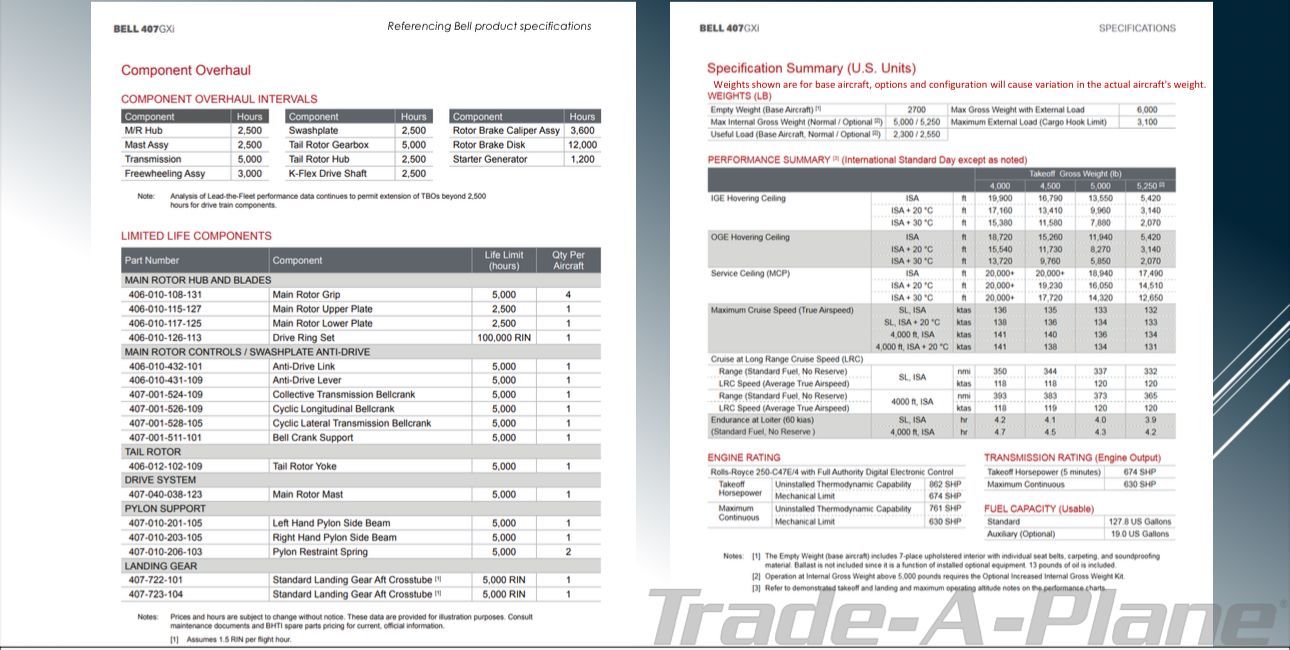
| Range | 285 nm |
|---|---|
| Cruise speed | 121 kts · 139 mph |
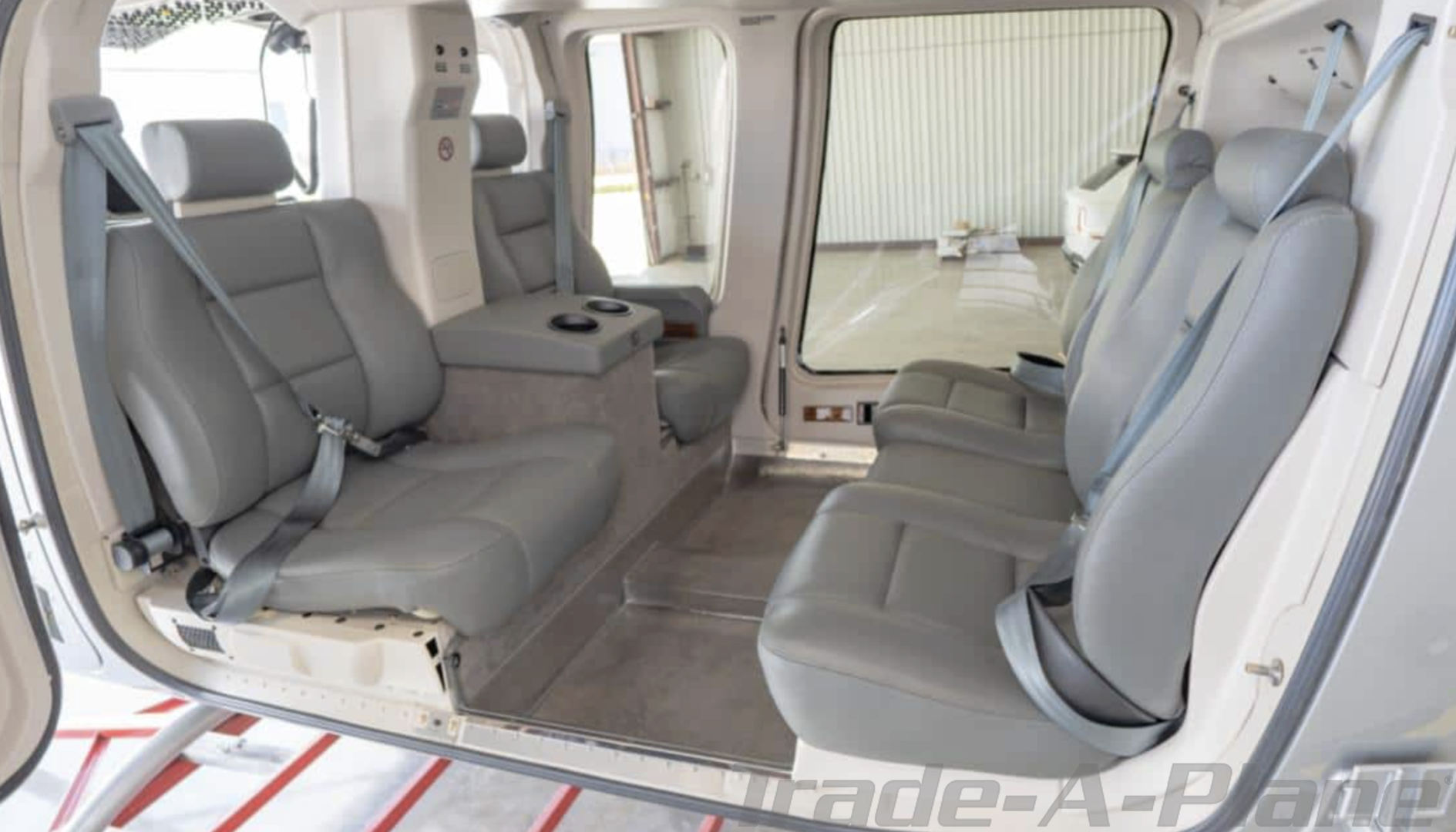
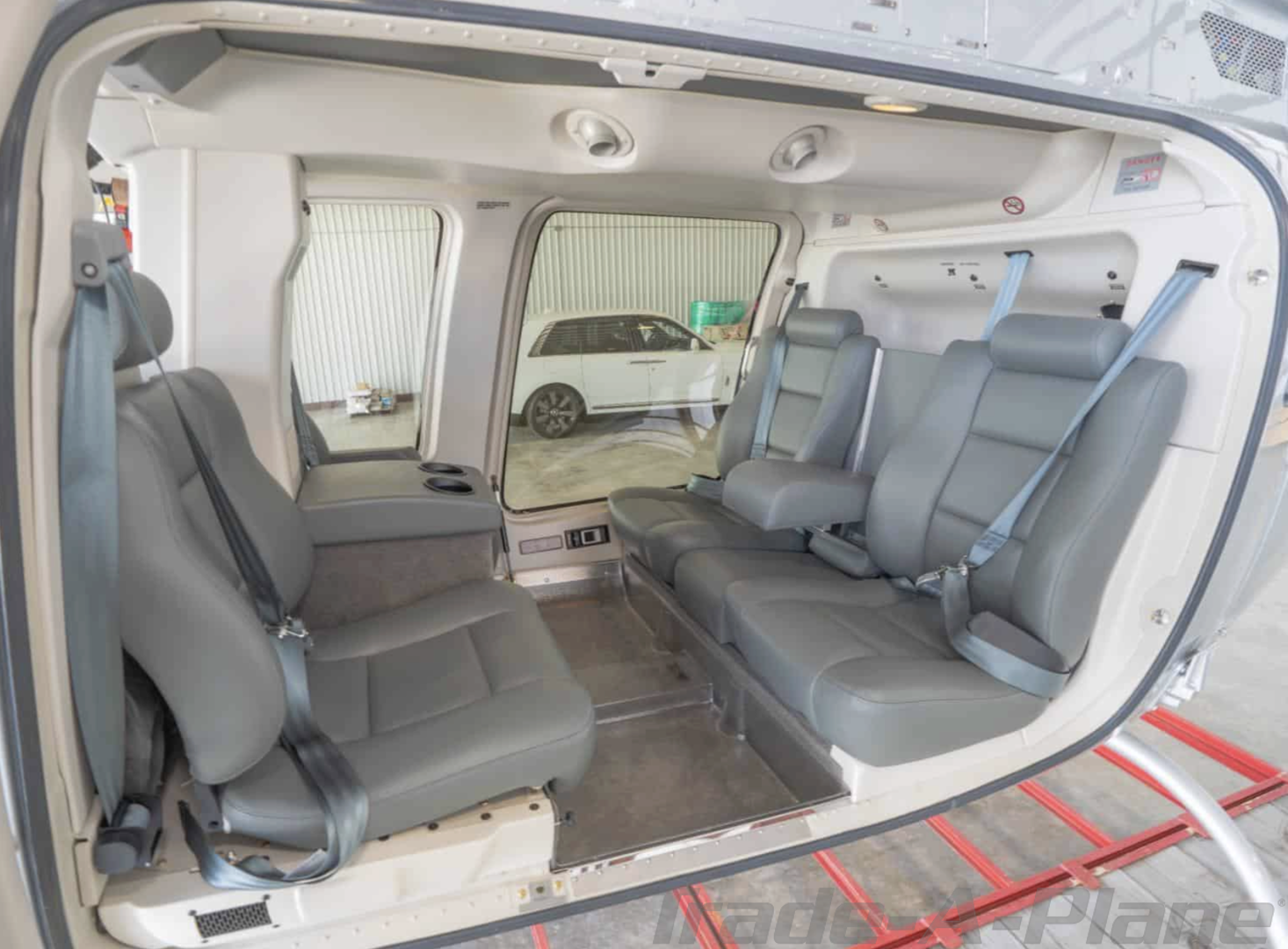
| Seating | 1 crew + 6 passengers |
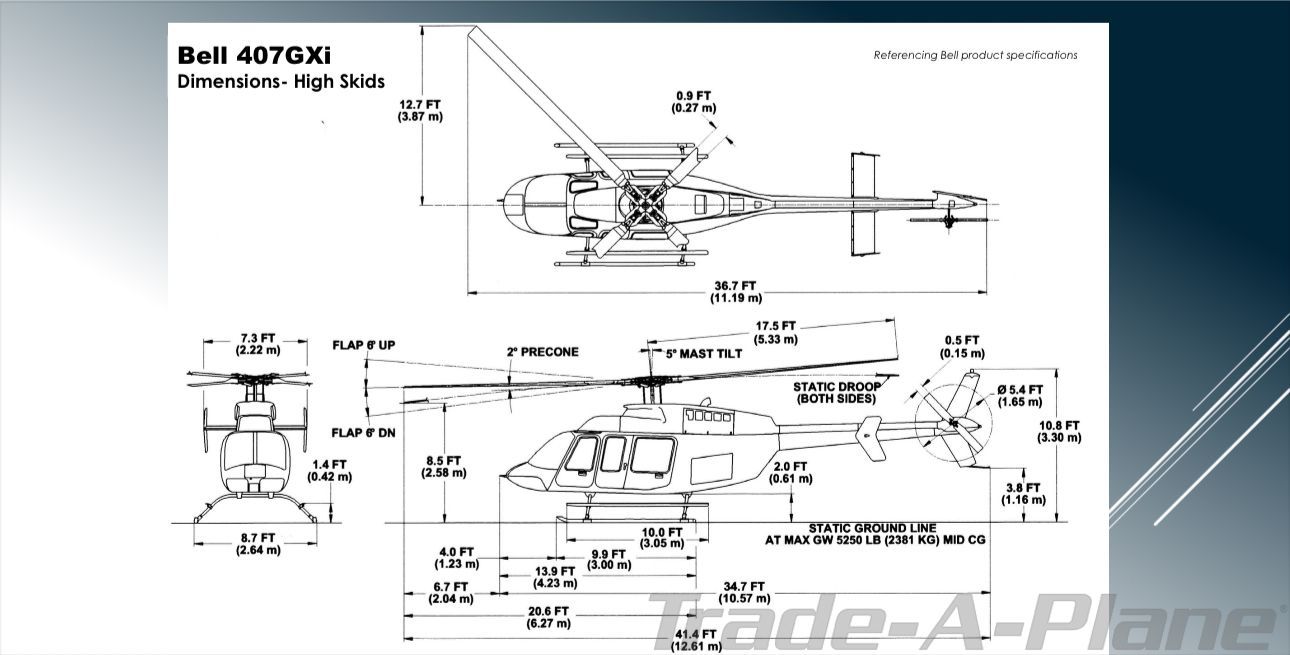
| Cabin H × W × L | 4' 2" × 4' 9" × 5' 0" |
| Interior volume | 101 ft³ |
| Takeoff / landing | 0 ft / 0 ft |
About this plane
The Bell 407GXi is a single-engine light helicopter known for its versatility, advanced avionics, and reliable performance. Powered by a Rolls-Royce 250-C47E/4 engine, it delivers a maximum cruise speed of 133 knots (246 km/h) and a range of up to 285 nautical miles (624 km). With a maximum takeoff weight of 2,268 kg (5,000 lbs), the 407GXi offers a smooth and responsive flight experience, enhanced by the Garmin G1000H NXi avionics suite, which includes a fully integrated glass cockpit, advanced flight data, and superior situational awareness. The Bell 407GXi is ideal for a wide range of missions, including corporate transport, law enforcement, and medical evacuation. Try a free trial of aircraft operating cost calculator today! Get a Personalized Demo See AviaCost in action with a tailored walkthrough of Bell 407GXi's full ownership model — including trip costs, depreciation, and branded PDF reports.
Range from base
Still-air range ring — type an aircraft to change it. Compare aircraft on the Range tool ›
Last flight
Actual flight path from FlightAware for N305CB. More flight tracking ›


